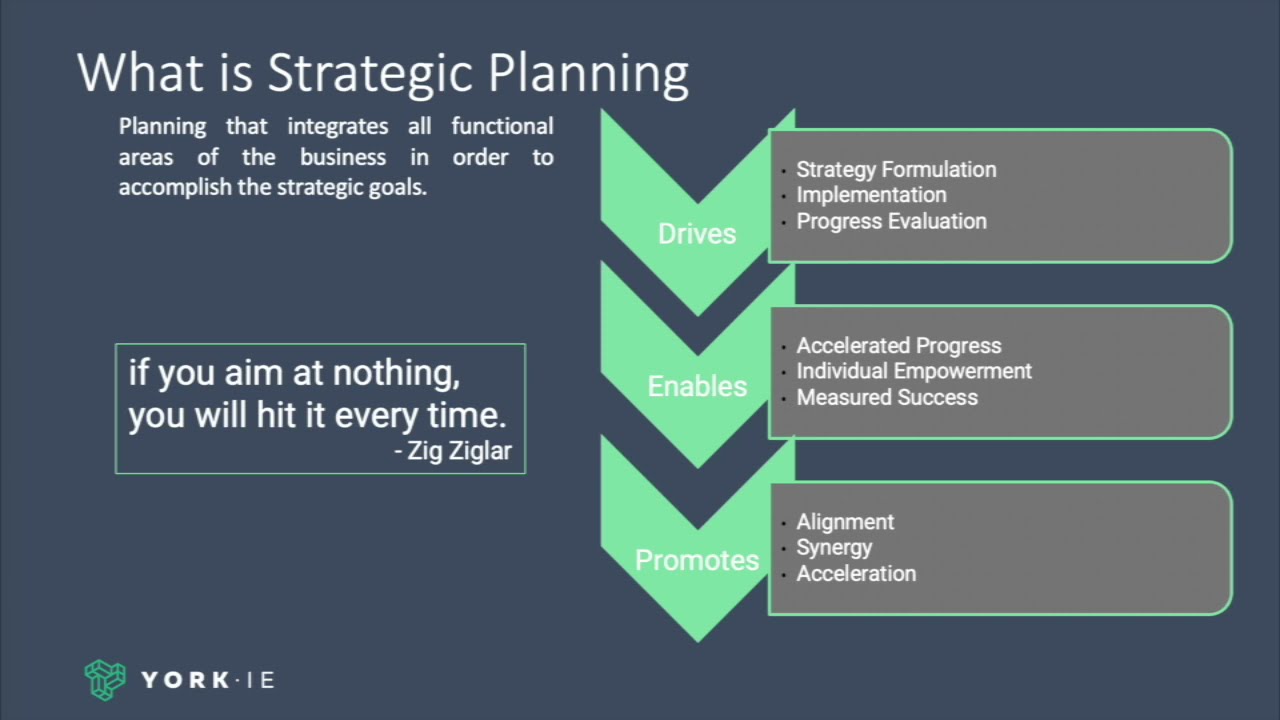
Strategic planning is essential for guiding business growth and long-term success. It provides a clear framework for setting goals, allocating resources, and responding to market changes. Without a defined strategy, organizations risk making reactive decisions that limit progress.
Effective strategic planning begins with understanding the business environment. Market analysis, competitive research, and internal assessments help identify opportunities and risks. Based on this information, leaders define priorities and create actionable plans aligned with the organization’s vision.
A well-structured strategy improves decision-making across all levels of the company. Teams understand their roles and how their work contributes to broader objectives. This alignment increases efficiency and reduces wasted effort.
Strategic planning also supports adaptability. Regular reviews allow organizations to adjust goals and tactics as conditions change. This flexibility is especially important in dynamic markets where technology and customer expectations evolve rapidly.
By investing time in strategic planning, businesses create a foundation for sustainable growth, resilience, and long-term competitiveness.